Vianden Castle Private Tour
Explore Luxembourg’s most iconic medieval castle with private transport, flexible pacing, stories of the Counts of Nassau-Vianden and scenic views over the Our Valley.
- Iconic castle
- Our Valley
- Moderate walking
 Grand Duchy Castles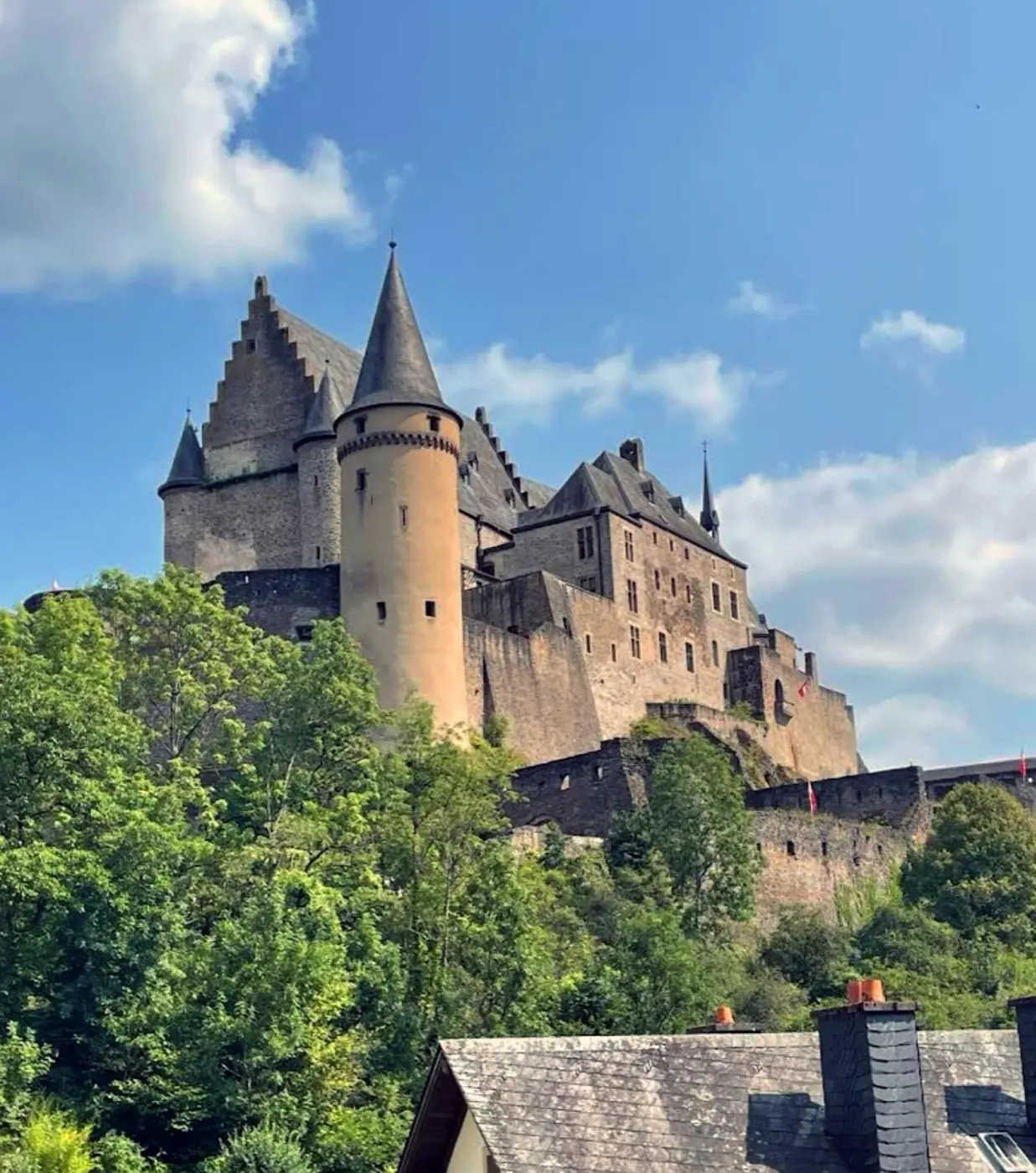
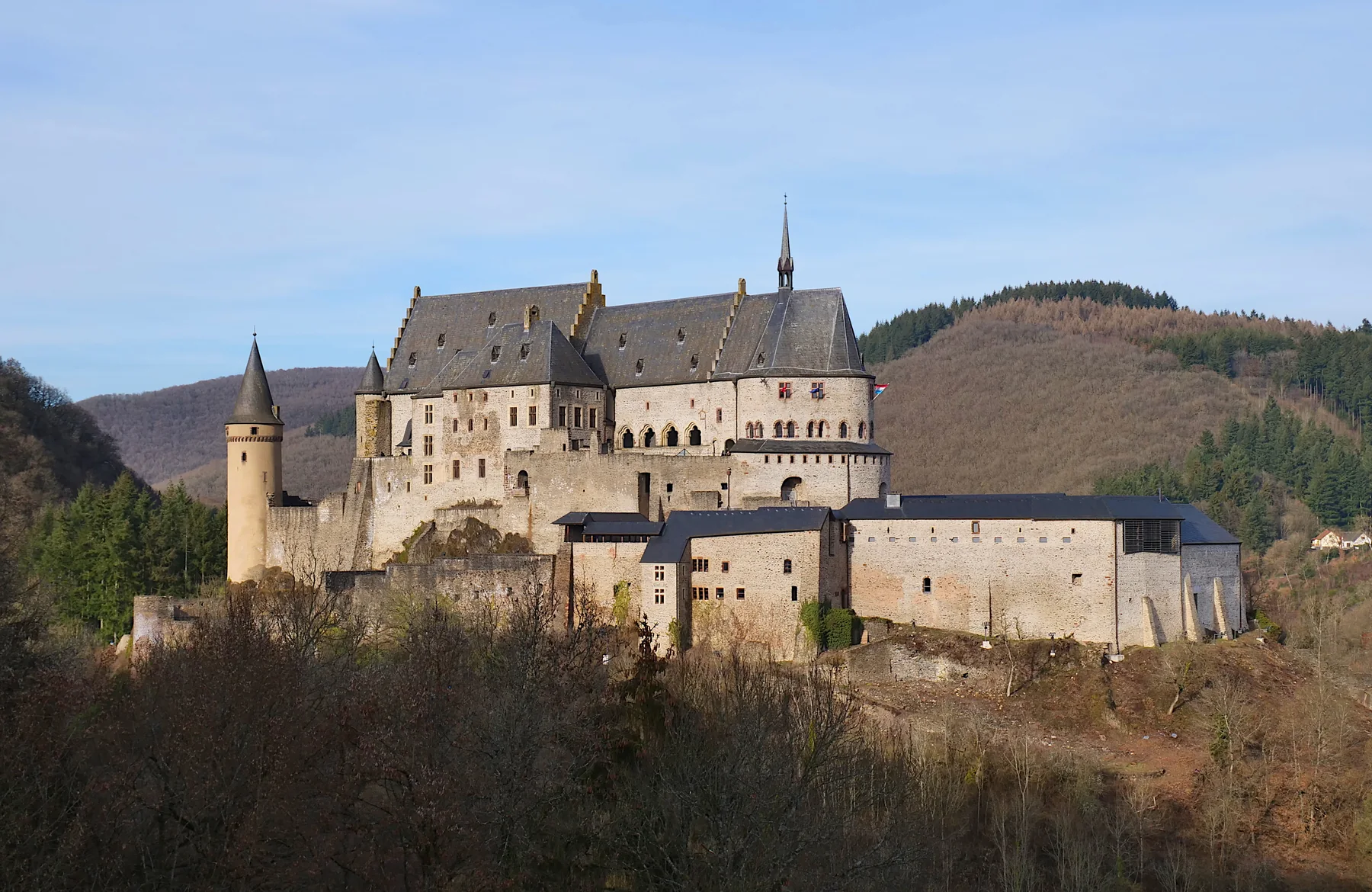
Grand Castle in Vianden, Luxembourg
French: Château de ViandenGerman: Schloss ViandenLuxembourgish: Veianer Schlass
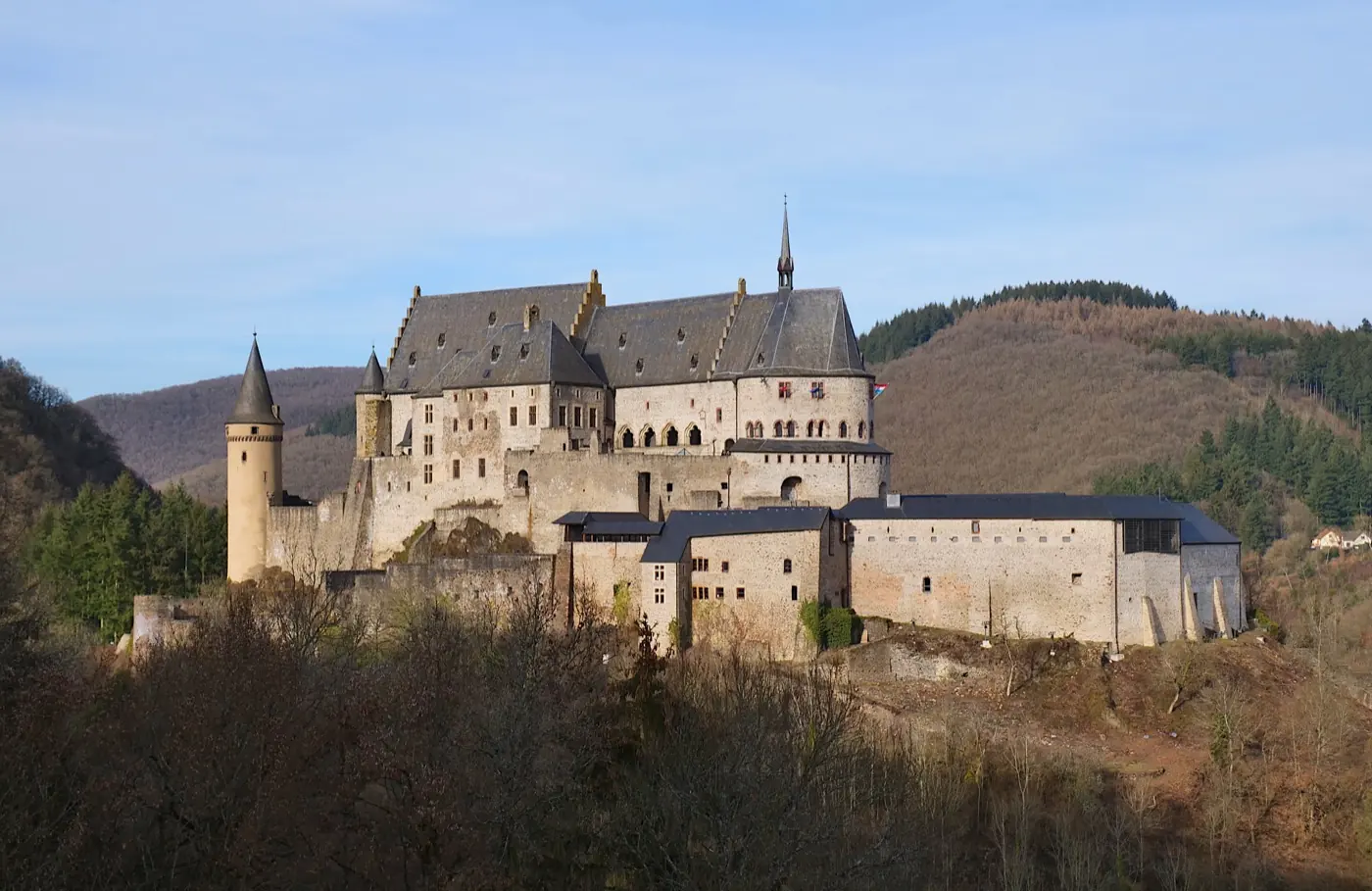
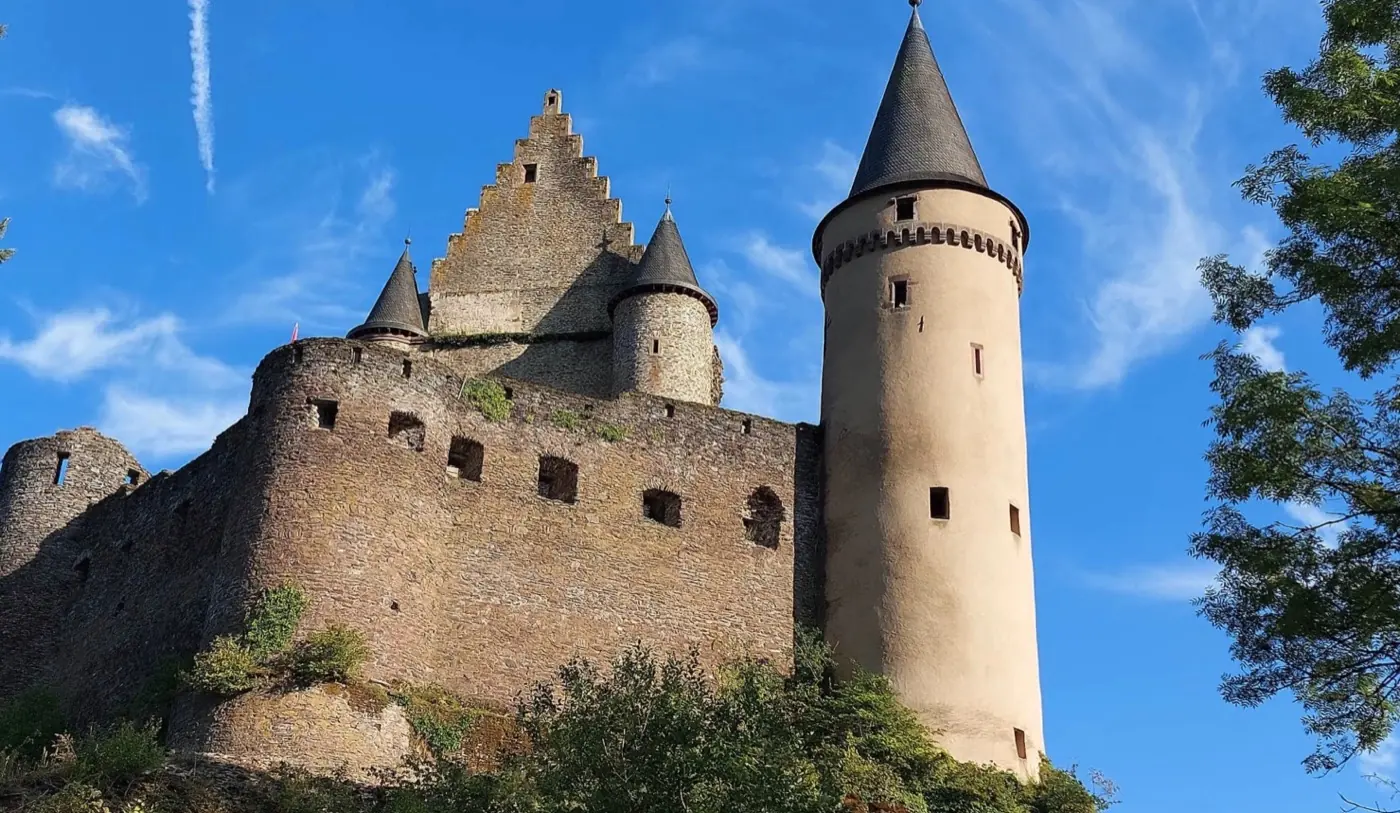
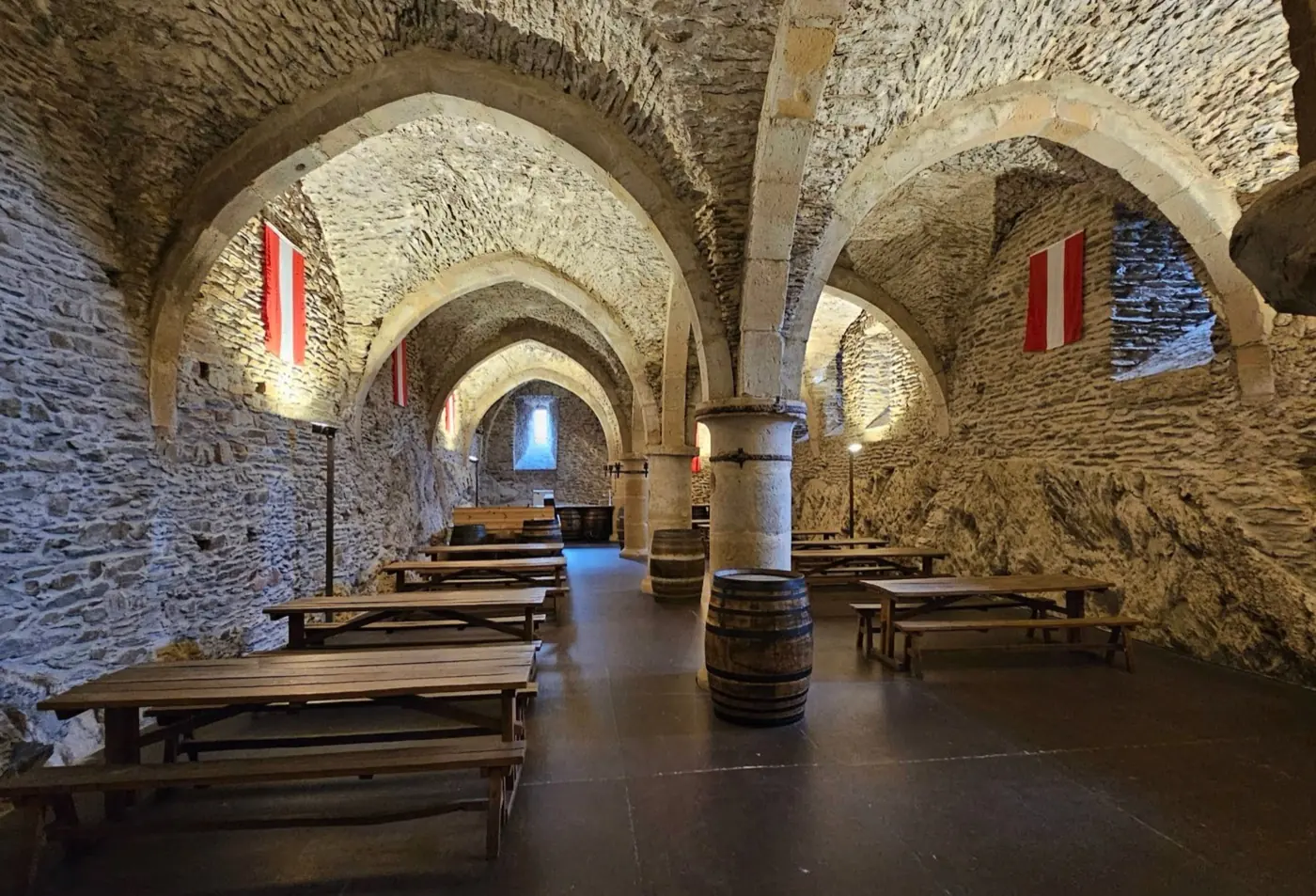
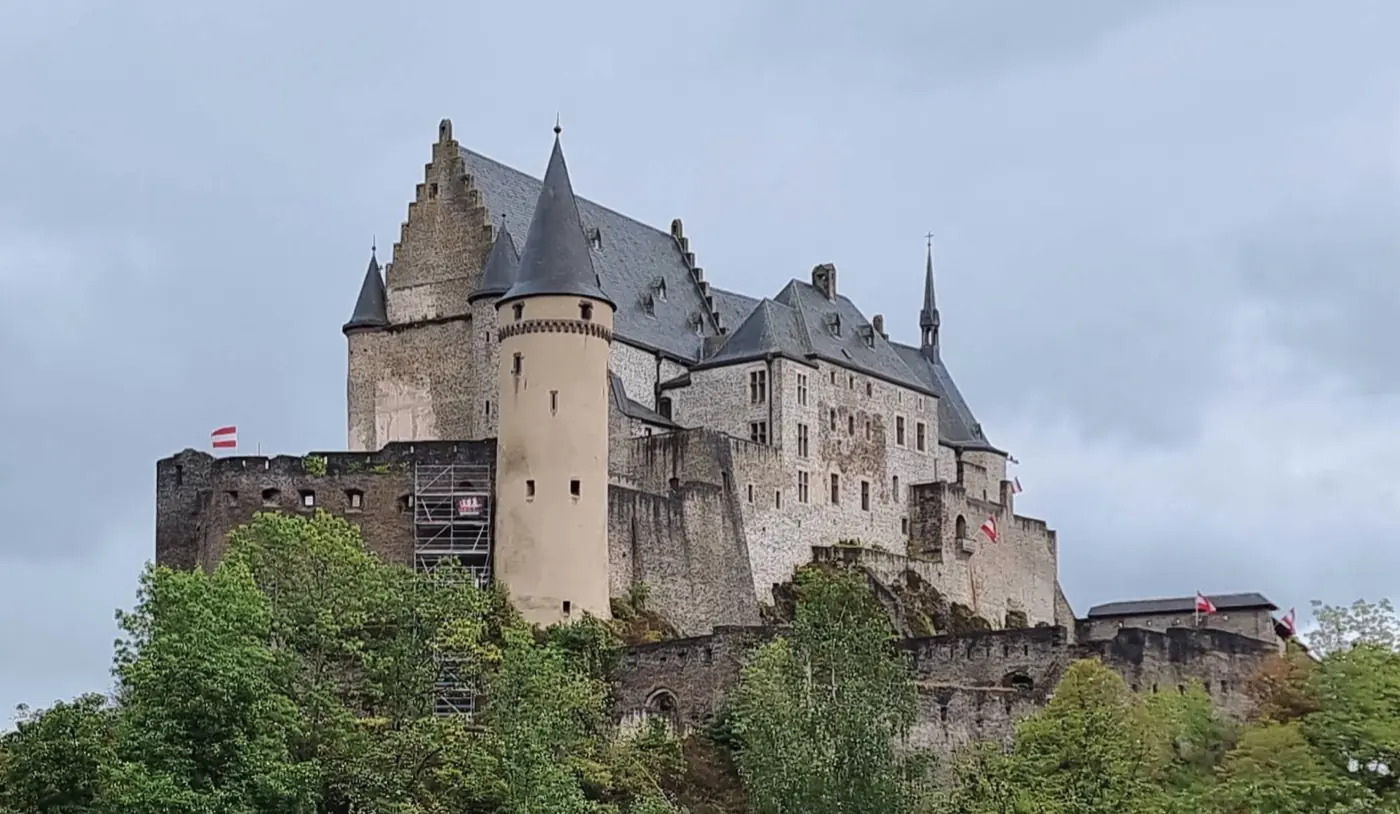
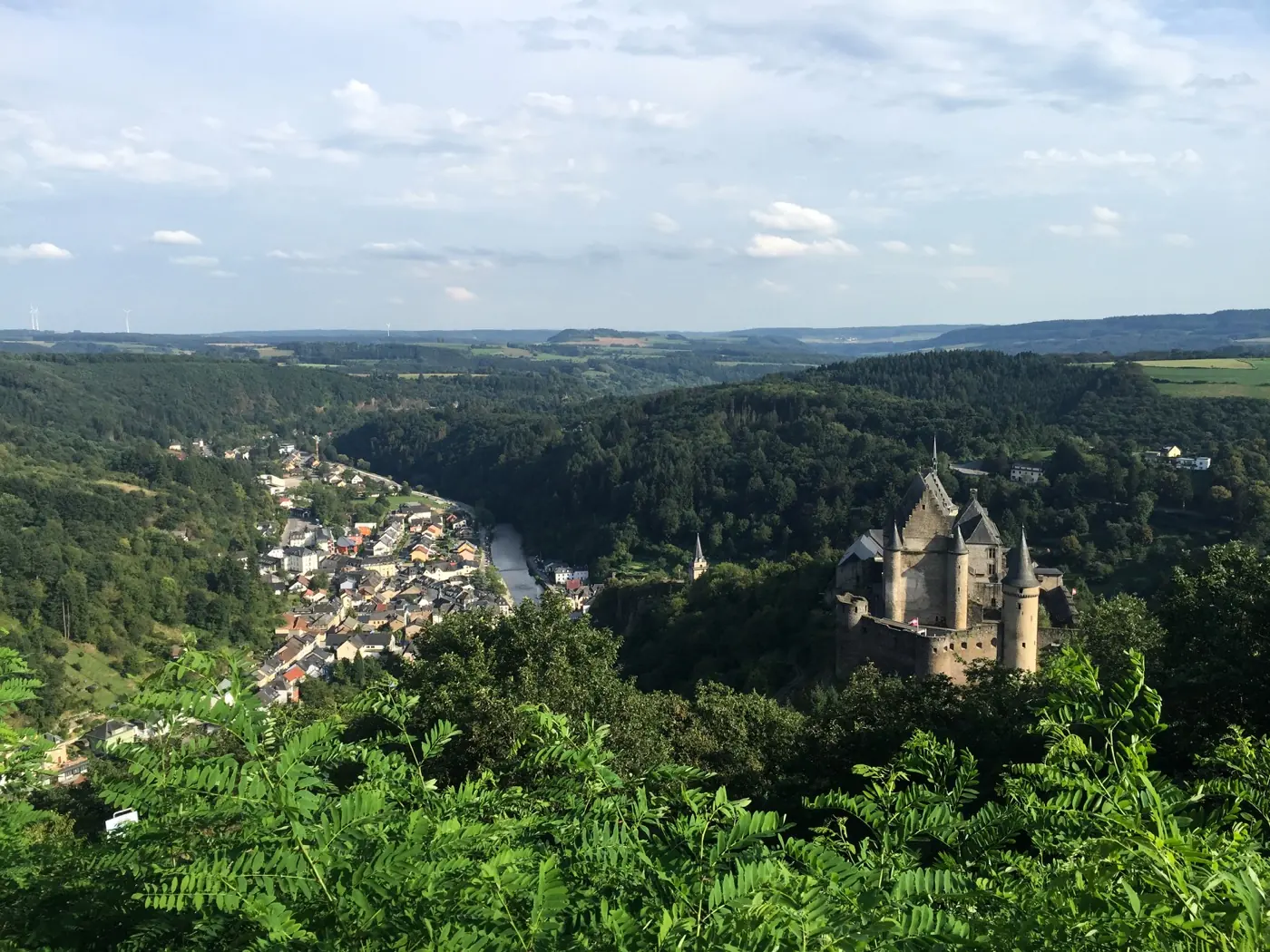
Vianden Castle is a real magnet for visitors, being one of the biggest and most beautiful feudal residences from the Romanesque and Gothic periods. The castle was built between the 11th and 14th century on the foundations of a Roman castle and a Carolingian refuge and for a long time belonged to the Grand Ducal family, before passing into state ownership in 1977. Since then it has been restored to all its former glory. Today, Vianden Castle is one of Europe’s leading historical monuments. There is a modern, interactive visitor centre in the entrance area.
The medieval festival in summer has become an annual highlight at Vianden Castle. During this time, visitors can discover a colourful medieval animation with battle demonstrations, musicians, fire artists, jugglers, minstrels, bird of prey displays, calligraphy demonstrations and much more.
The LuxembourgPass is not valid during the Medieval Festival.
The first structure was built in 275 on a path of the Great-Reims-Cologne Roman road. It was used as a shelter for the town against attacks and between 430-440, the fort was abandoned. The Vianden castle was built on the site of an ancient Roman castellum. The basement appears to have been a Carolingian refuge. Historically, the first count of Vianden was mentioned in 1090. The castle continued to be the seat of the Vianden's influential counts until the beginning of the 15th century. In about 1000, the first medieval stone castle was built on the land and contained a watch tower with a surrounding oval wall as defense. An excavation in 1994 led to unearthing the late Antiquity Tower from the Merovingian period, it was dated by the analyzing the wood scaffolding found on site. This is the only known structure to exist from the first medieval castle on site.
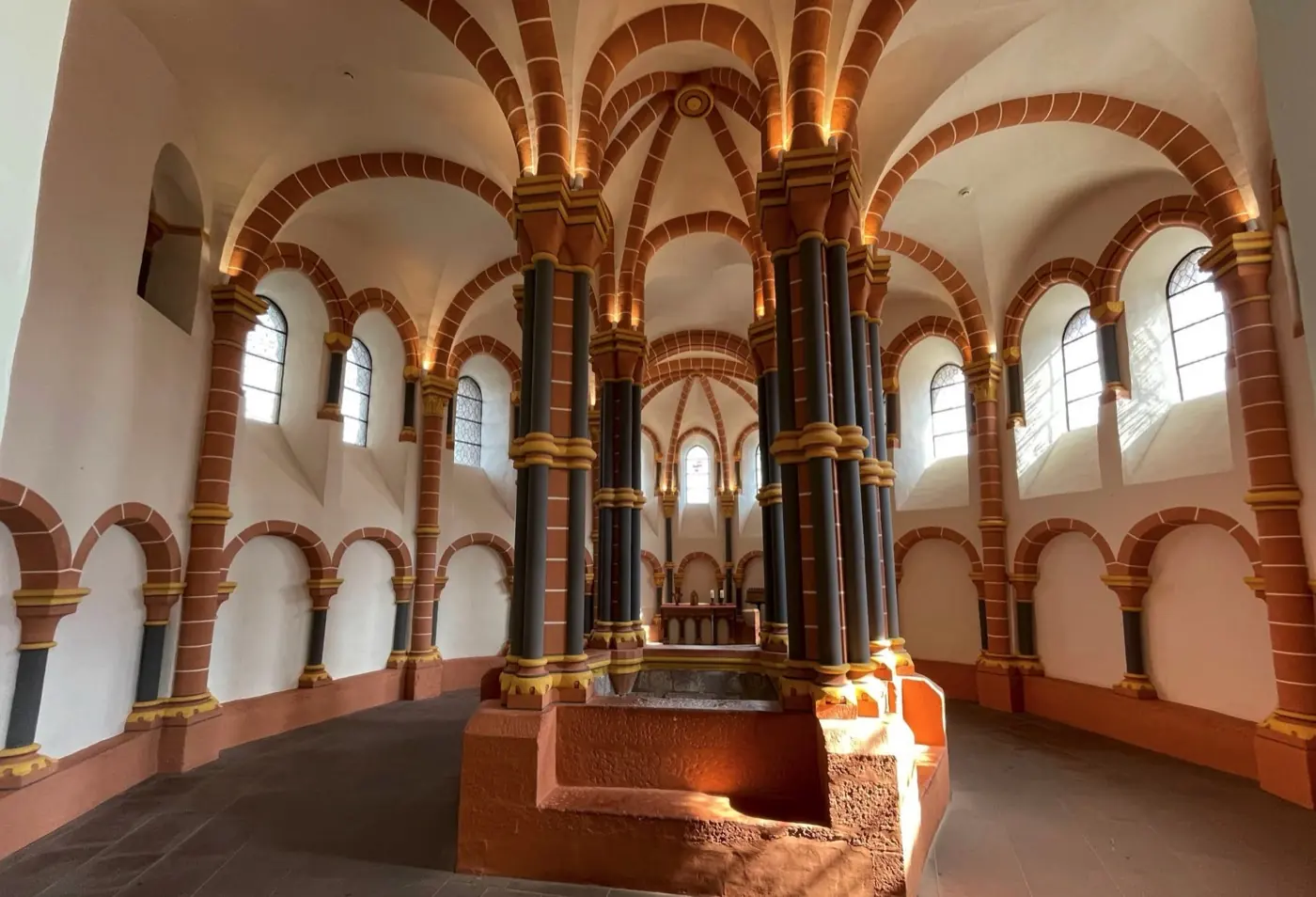
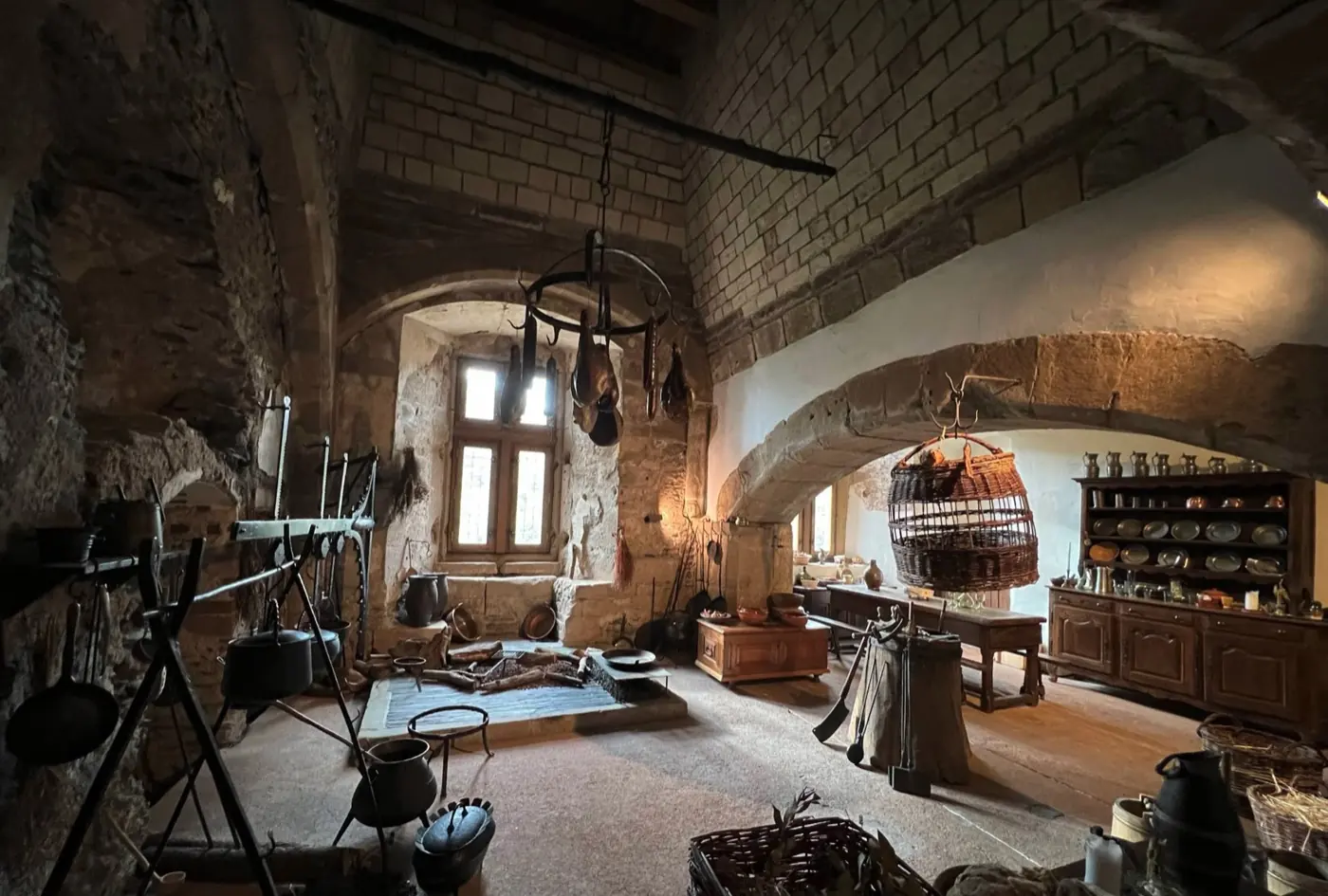
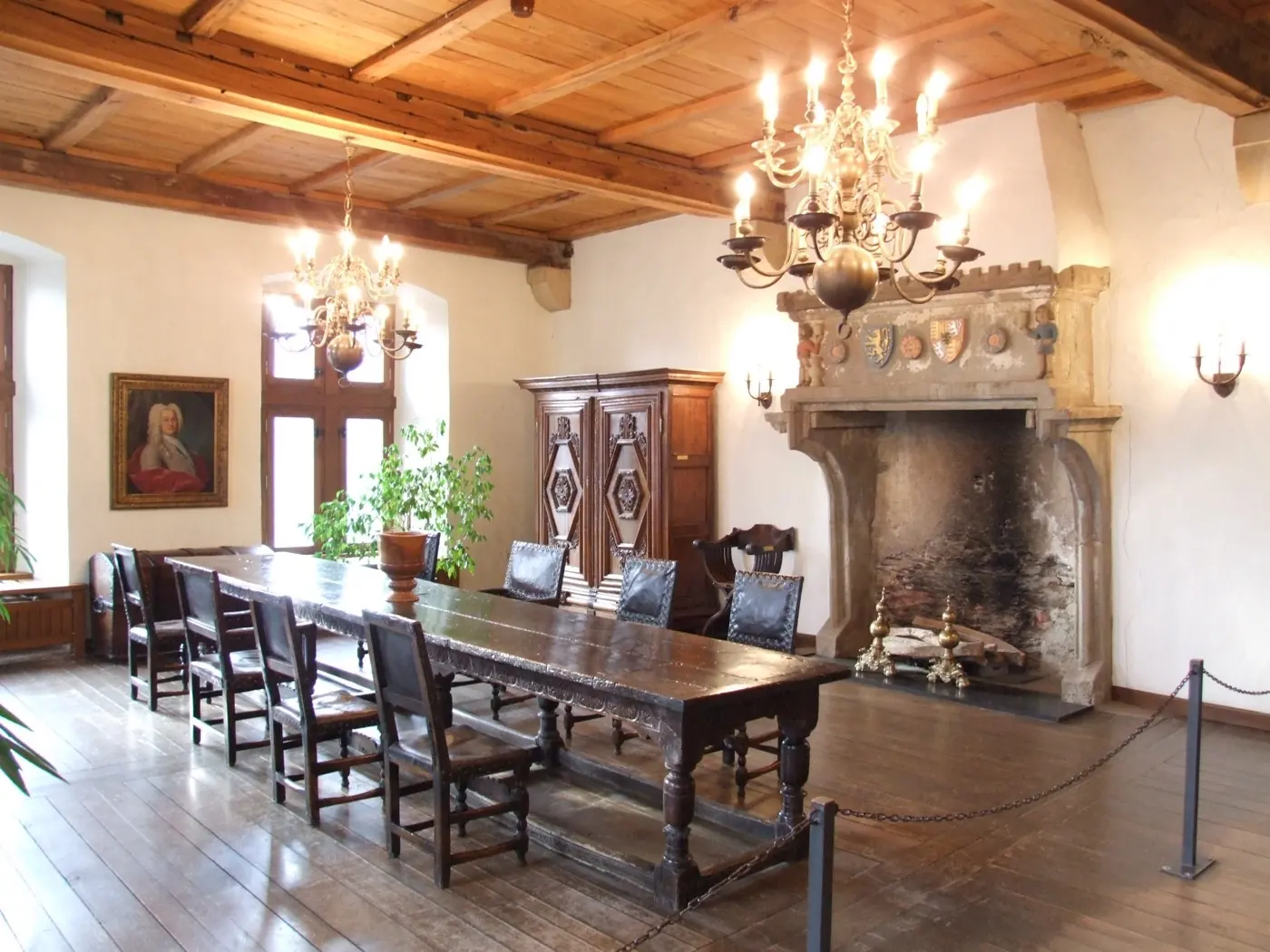
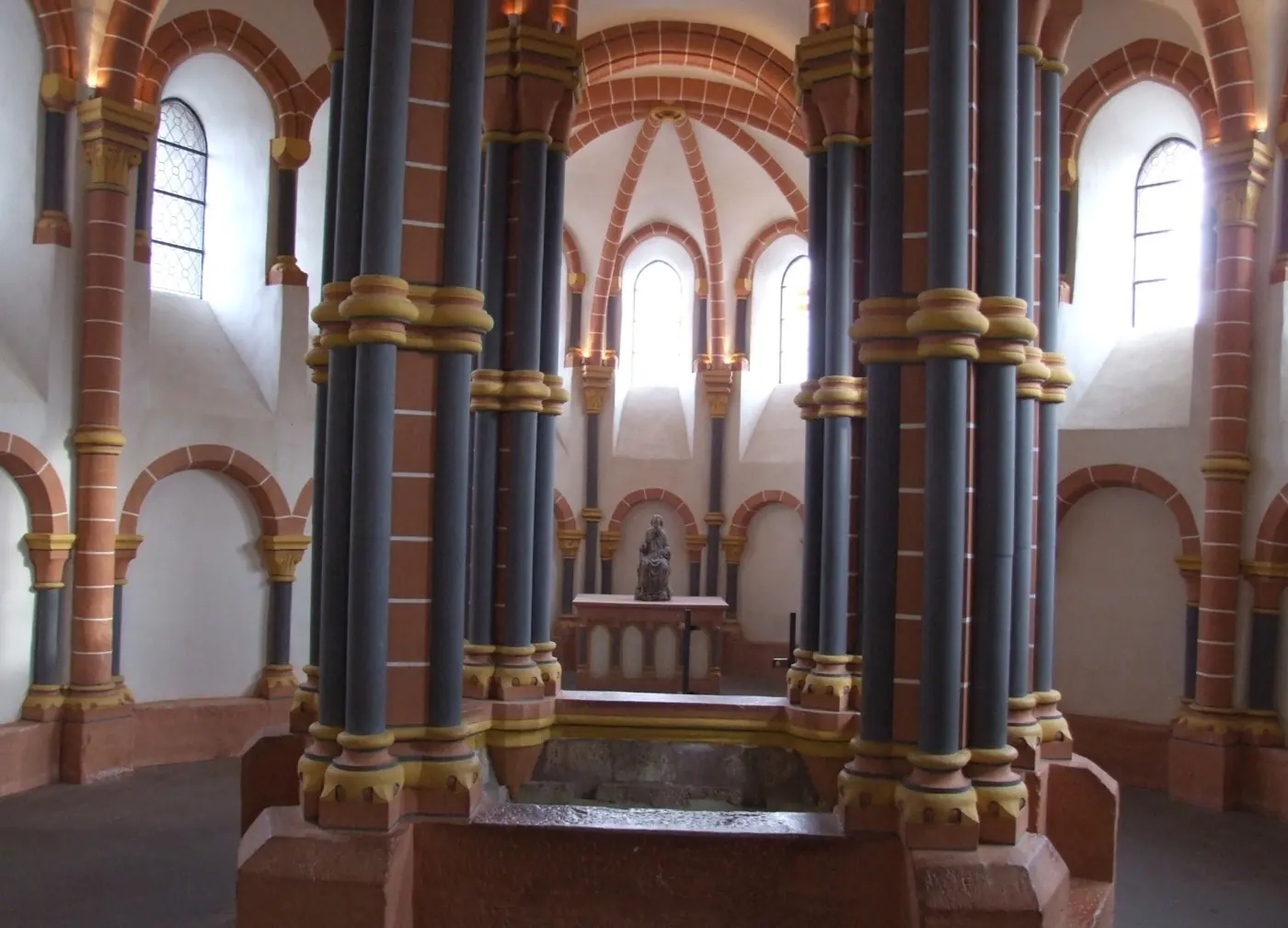
Around 1100, the first residential castle was built with a square keep as well as a kitchen, a chapel and residential rooms indicating that an aristocratic family lived there at the time. During the first half of the 12th century, a new residential tower larger than the last and a prestigious decagonal chapel were added while the palace itself was extended. The decagonal Chapel floor plan was dated from 1170 (also by the wood scaffolding on site). At this time the architectural elements were added to the Hall for character as well. A large gallery was constructed connecting the Hall and the Chapel. At the beginning of the 13th century, a new two-storey palace measuring 10 by 13 metres (33 by 43 ft) was built with a sumptuous gallery connecting it to the chapel. Level two of the Chapel had some influence of the Romanesque style, and through the cornices and wood scaffolding found the renovations can be dated to 1196. An octagonal floor plan for the tower was added to complete the row of structures. These Romanesque influences were funded by Frederick III. These additions show how the counts of Vianden sought to rival the House of Luxembourg. The last great change took place in the middle of the 13th century when the entire castle was adapted to reflect the Gothic style. Finally, in 1621 the Nassau Mansion with its banqueting hall and bedroom was built by Prince Maurice of Orange-Nassau-Vianden in the Renaissance style replacing a damaged side wing of the 11th century keep.
During the 16th century, the castle was more or less abandoned by the counts of Vianden who had gained the additional title of the House of Nassau-Orange after Elisabeth, the granddaughter of Henry II of Vianden had willed the County of Vianden together with its castle to her cousin, Count Engelbert of Nassau. This initiated the long association between Vianden and the House of Nassau. In 1564, Prince William the Silent of Orange, count of Nassau and of Vianden, took an initial interest in Vianden where he built the first blast furnace in Luxembourg but left in 1566 to lead the Dutch revolt against King Philip II of Spain. As a result, Philip confiscated the castle and conferred it on Peter Ernst von Mansfeld, the governor of Luxembourg. In 1417 the last Vianden descendant died and with him all the importance of the castle fell. The castle was used as storage and no longer hosted celebrations of the nobles. Outer structures on the property were torn down for agricultural means and craftsmen.
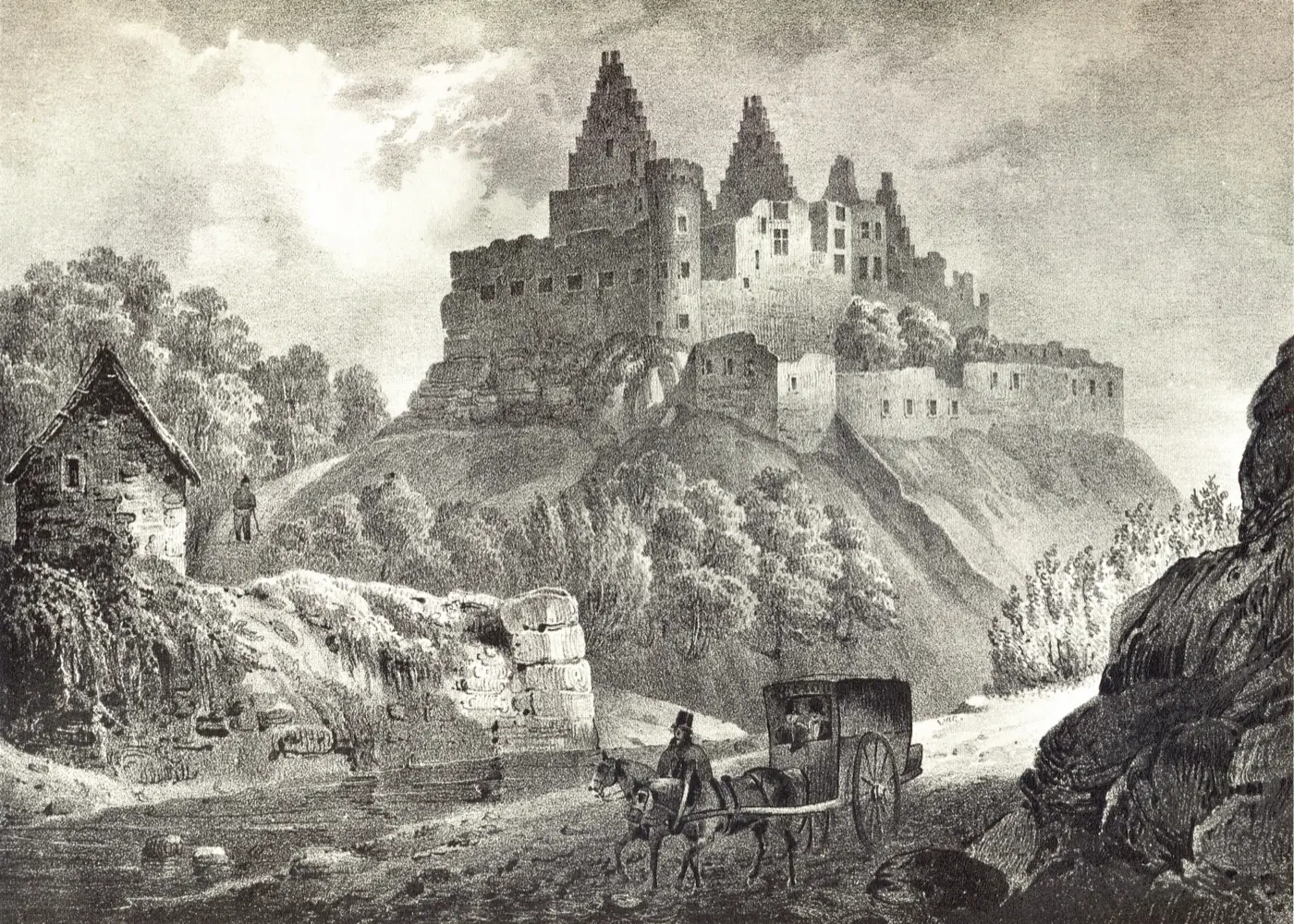
In 1820, King William I sold the castle to Wenzel Coster, an alderman, for 3,200 florins. Coster started to demolish the building, selling off the tiles from the roof, the wooden panelling, the doors and the windows piece by piece. Even the roof beams and gutters made of copper and lead were sold off. The castle was in ruins.
| Monday | 10:00-17:00 |
|---|---|
| Tuesday | 10:00-17:00 |
| Wednesday | 10:00-17:00 |
| Thursday | 10:00-17:00 |
| Friday | 10:00-17:00 |
| Saturday | 10:00-17:00 |
| Sunday | 10:00-17:00 |
Open months: January, February, March, April, May, June, July, August, September, October, November, December.

See Vianden Castle with a private local guide, hotel pickup from Luxembourg City and a route paced around you.
Explore Luxembourg’s most iconic medieval castle with private transport, flexible pacing, stories of the Counts of Nassau-Vianden and scenic views over the Our Valley.